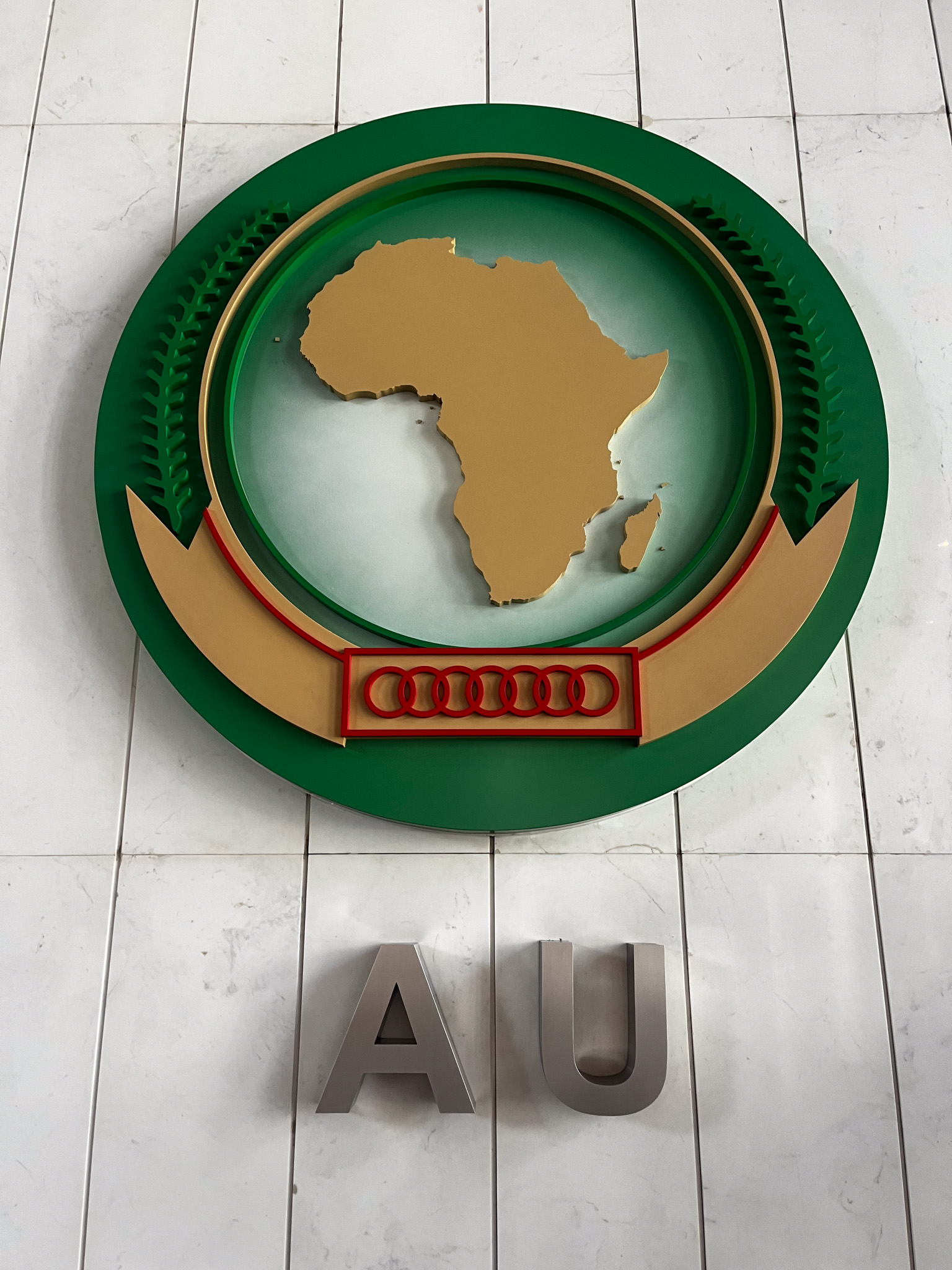
Harvard Alumni and Students Visit African Union Headquarters in Addis Ababa for High-Level Overview and Diaspora Linkage within the AU
The visit in January 2026 came weeks ahead of the 39th African Union Summit, where heads of state convened in Addis Ababa, Ethiopia earlier this week
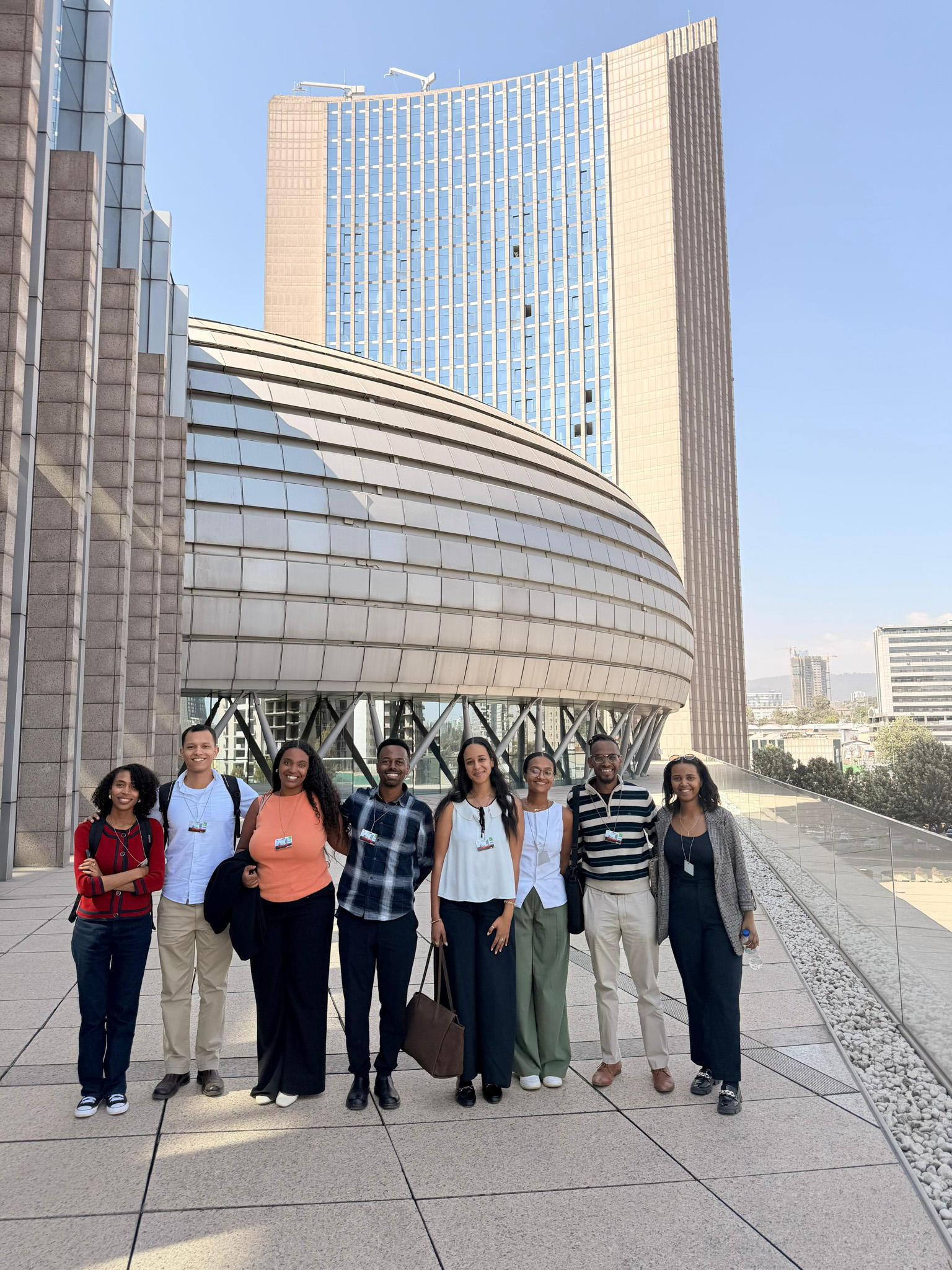
Addis Ababa, Ethiopia — A delegation of Harvard University alumni and students visited the African Union (AU) Headquarters in Addis Ababa for a high-level briefing on continental governance, peace and security, and the role of youth and the African diaspora in shaping the continent’s future.
The visit was organized by Haben Abrha, a former Policy Officer at the African Union Commission’s Department of Political Affairs, Peace and Security (PAPS) and current Master in Public Administration candidate at the Harvard Kennedy School (HKS). Sirak Kurban, Communications and External Relations Officer at the Harvard Center for African Studies (CAS), joined the group alongside Harvard alumni and current university students.
“Bringing Harvard students and alumni was intended to bridge academic inquiry with African-led policymaking”, said Haben Abrha, an HKS Masters Candidate and Former Policy Officer, AU Commission. "The visit offered participants the complexity, innovation and determination that underpin continental efforts on peace, governance and development, while also encouraging reflection on how scholars, practitioners, and members of the African diaspora can contribute meaningfully through research, policy engagement, and long-term partnership.”
Mr. Taye Abdulqaader — Senior Technical Member of the Continental Early Warning System at the African Union — and Ambassador William Awinador-Kanyirige — Senior Advisor to the Commissioner of Political Affairs, Peace and Security and former Ambassador of Ghana to Ethiopia and the AU — welcomed the delegation and commended the initiative as a valuable platform for sustained engagement between the African Union and Harvard University. Both emphasized the importance of elevating such exchanges to a strategic, long-term partnership, noting the Union’s mandate to promote African-led solutions to the continent’s challenges through informed policy, cooperation, and institution-building
Participants visited the African Union Situation Room, the operational hub of the Continental Early Warning System, within the Commission of Political Affairs, Peace and Security. There, technocrats and experts continuously observe global media, national television, and local radio and print outlets across the continent in various languages. Their real-time analysis is distilled into daily briefs and internal reports on issues affecting communities in all 55 Member States, supporting timely decision-making by AU leadership on emerging risks and crisis.
Over the course of the day, Harvard attendees gained an institutional overview of the African Union, the continental body that brings together 55 Member States to promote economic integration, peace, security, and sustainable development. Officials provided the delegation an overview of the AU’s main organs, including the Assembly of Heads of State and Government, the Executive Council, the African Union Commission, the Peace and Security Council (PSC), the Pan-African Parliament, the African Court on Human and Peoples’ Rights, and the Economic, Social and Cultural Council (ECOSOCC). They also outlined the African Peace and Security Architecture (APSA), which rests on five core pillars: the Peace and Security Council, the Panel of the Wise, the Continental Early Warning System, the African Standby Force, and the Peace Fund. These mechanisms work together to mitigate, prevent, and manage conflicts across the continent.
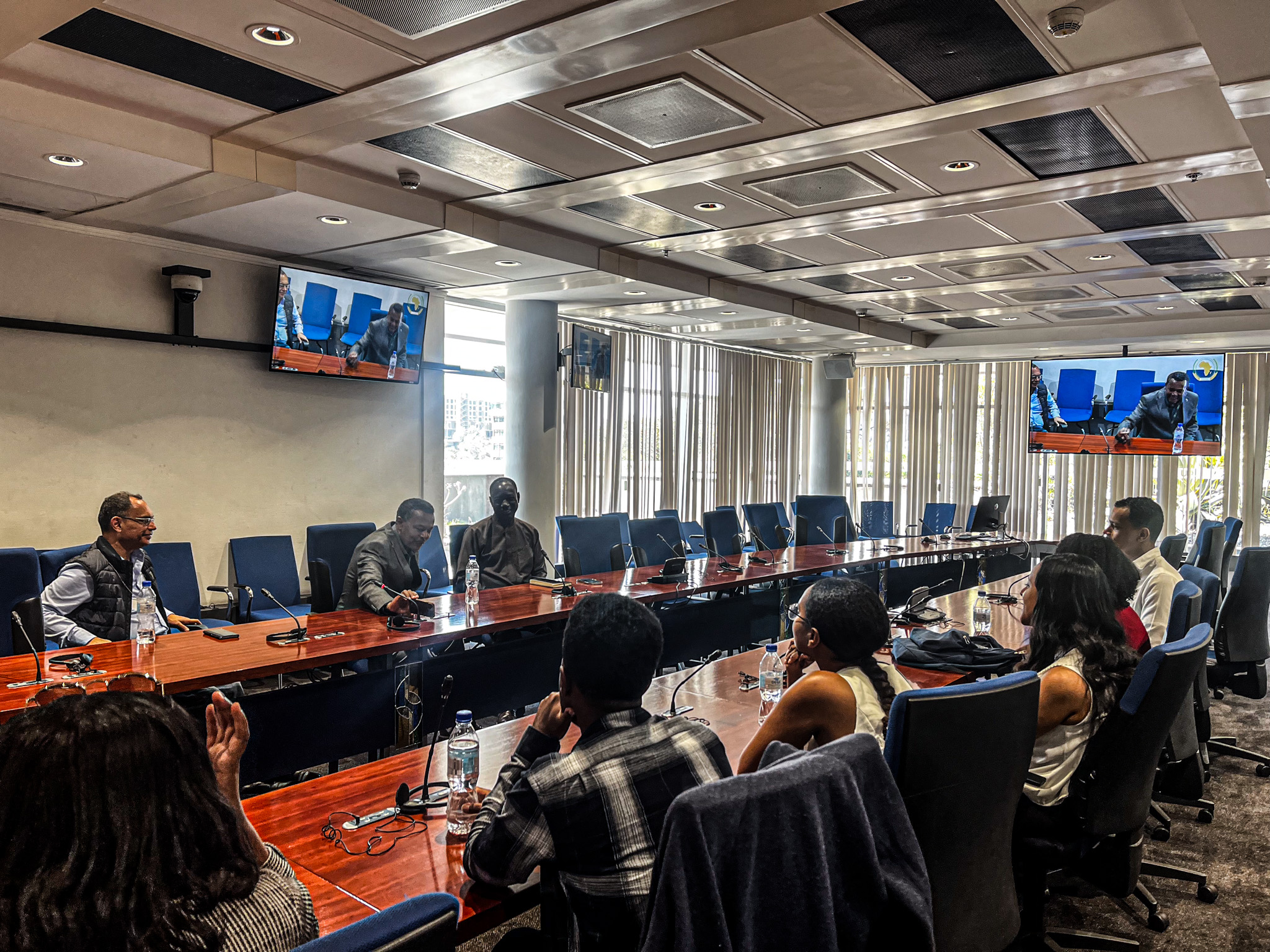
Picture 2: Group photo with AU officials following the introductory briefing on the AU’s organs and peace and security architecture.
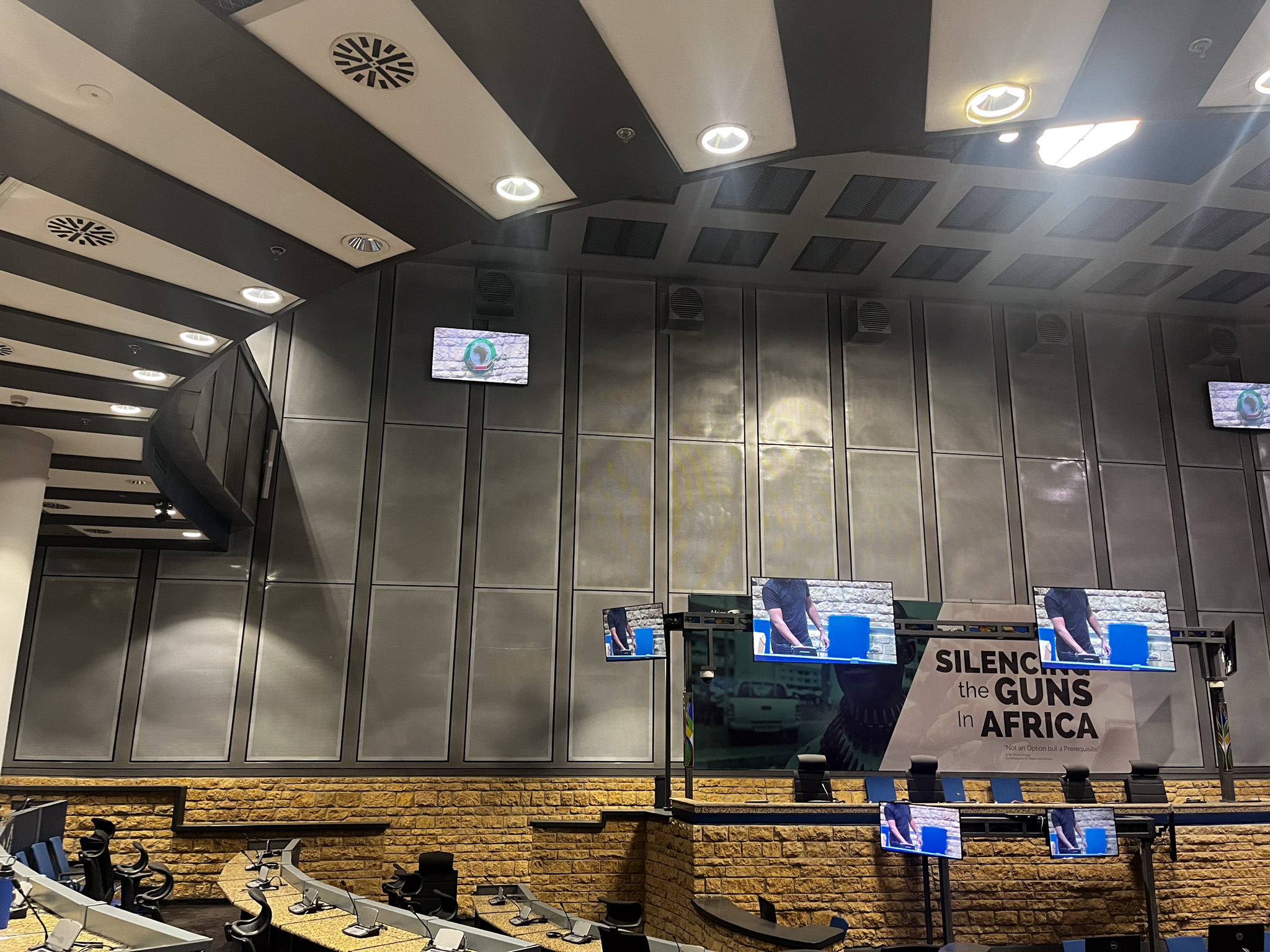
Picture 3: The Peace and Security Council chamber at AU Headquarters with the “Silencing the Guns” theme
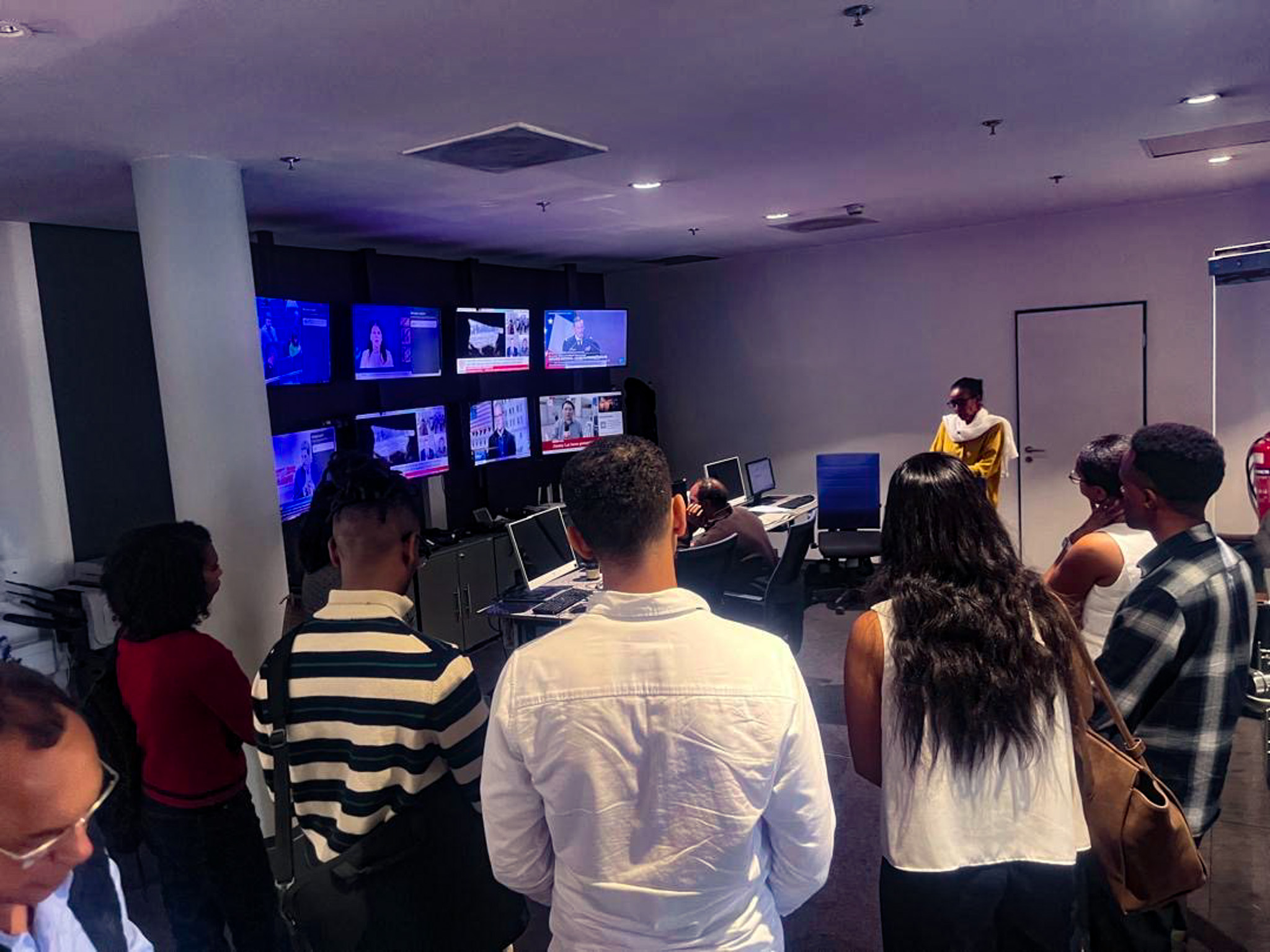
Picture 4: Inside the African Union Situation Room, where analysts monitor media and security developments across Africa.
The visit also included a tour of the Peace and Security Council (PSC) chamber. The PSC is a standing decision-making body composed of 15 Member States elected on a regional rotation basis from Central, Eastern, Northern, Southern, and Western Africa. It is mandated to address conflict prevention, crisis management, peace support operations, and post-conflict stabilization, and works closely with the pillars of APSA and with the United Nations to respond to threats to peace and security on the continent.
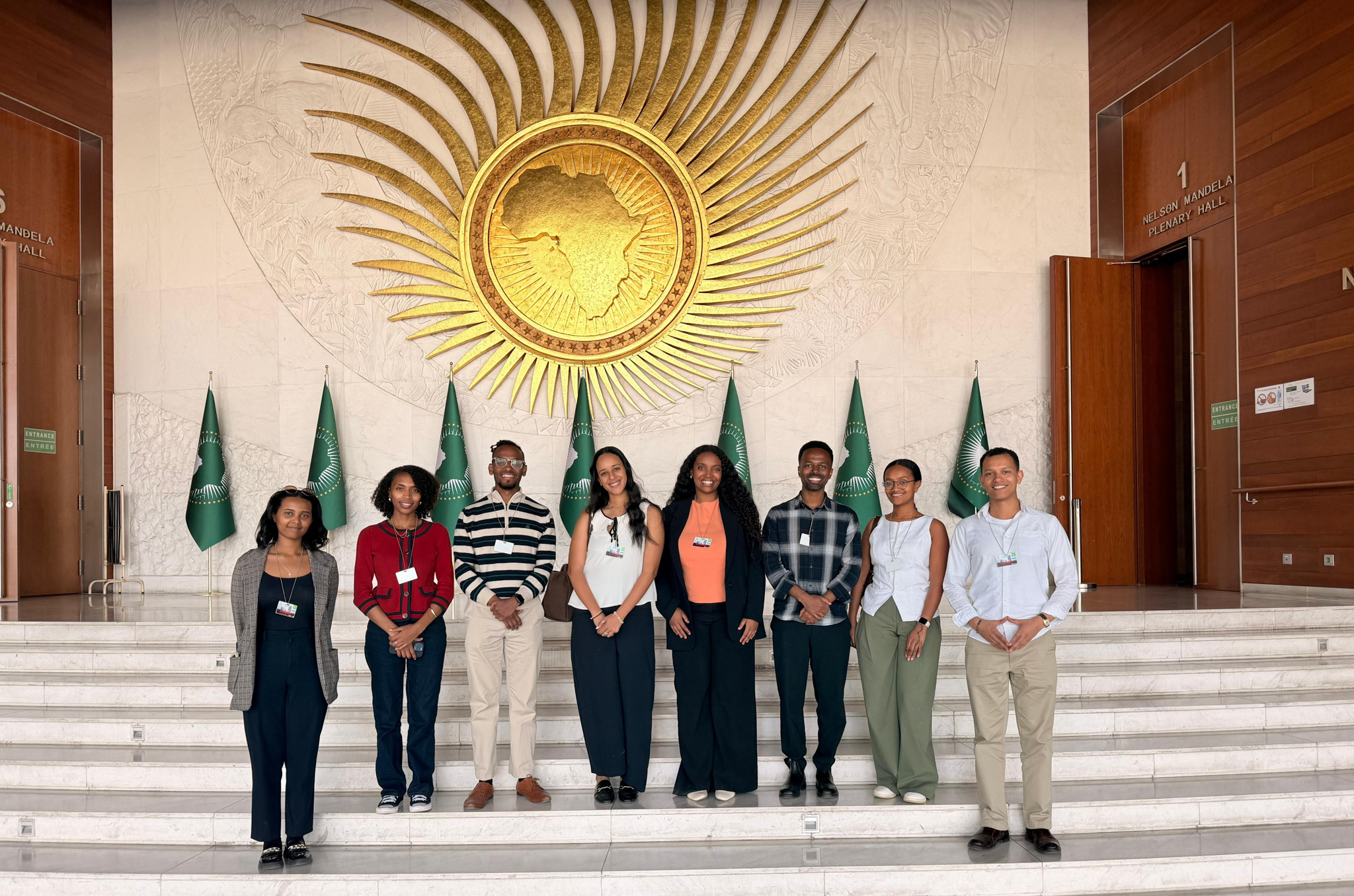
The tour concluded in the AU’s main Assembly Hall, the grand plenary space where Heads of State and Government convene annually for the African Union Summit. AU staff described how the Assembly sets the Union’s strategic direction, endorses key policy decisions, and reviews progress on Agenda 2063, the AU’s long-term blueprint for “The Africa We Want.”

Picture 5: Inside the AU Assembly Hall - featuring gifts of art from AU Member States, including [from left to right] the Republic of Kenya, the Republic of Zambia, the Islamic Republic of Mauritania, and the State of Eritrea, symbolizing the union of Africa in the Hall.
Attendees included Harvard alumni and university students from a range of schools and disciplines:
- Haben Abrha – Master’s in Public Administration Candidate, Harvard Kennedy School; Former Policy Officer, African Union Commission
- Sirak Kurban – External Relations Officer, Harvard Center for African Studies
- Yoseph Boku – M.D. Candidate, Harvard Medical School
- Denat Negatu – Master’s in Public Administration/International Development Candidate Harvard Kennedy School, former Pre-Doctoral Research Assistant, Oxford Martin School
- Tsion Abay – PhD Candidate, Biological and Biomedical Sciences, Harvard University.
- Arsema Aklog – Sociology major with a secondary in Global Health & Health Policy, Harvard College
- Mikael Makonnen – Visiting Graduate Researcher, Harvard School of Public Health; Statistics & Machine Learning, ETH Zurich (Switzerland)
- Edom Tadesse – Education, Leadership, Organization, and Entrepreneurship, Harvard Graduate School of Education Alumni
- Misgana Yemane– Unity University (Addis Ababa); International Relations and Diplomacy
The visit elevated the interest among Harvard students and alumni in African regional institutions and created a concrete platform for future collaboration between the African Union, university students, and the African diaspora. Organizers expressed hope that this engagement will catalyze internships, research projects, and long-term partnerships that support African-led priorities in governance and development.